Oil Tank Removal and Home Sales in Westchester County: What Buyers and Sellers Must Know
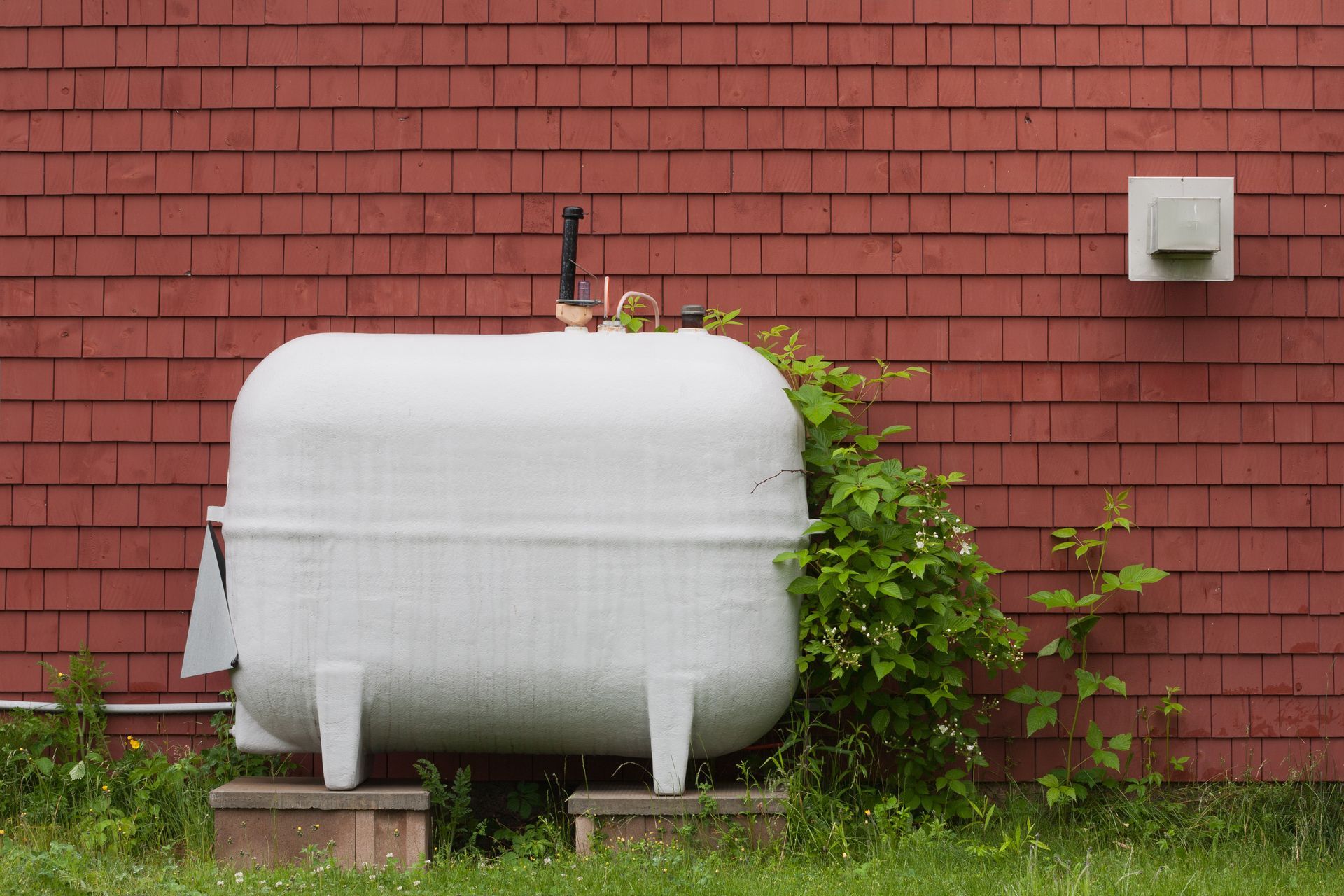
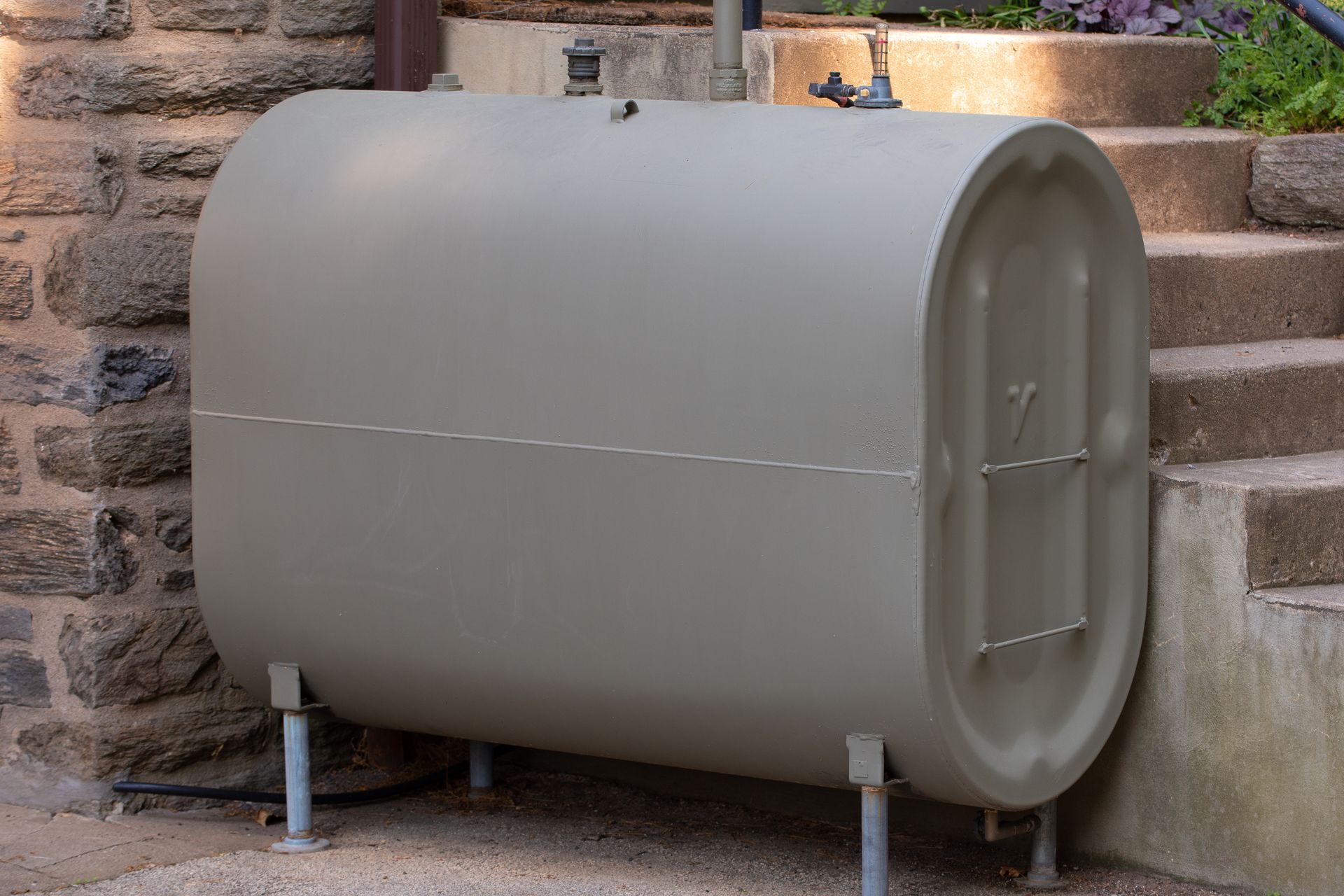
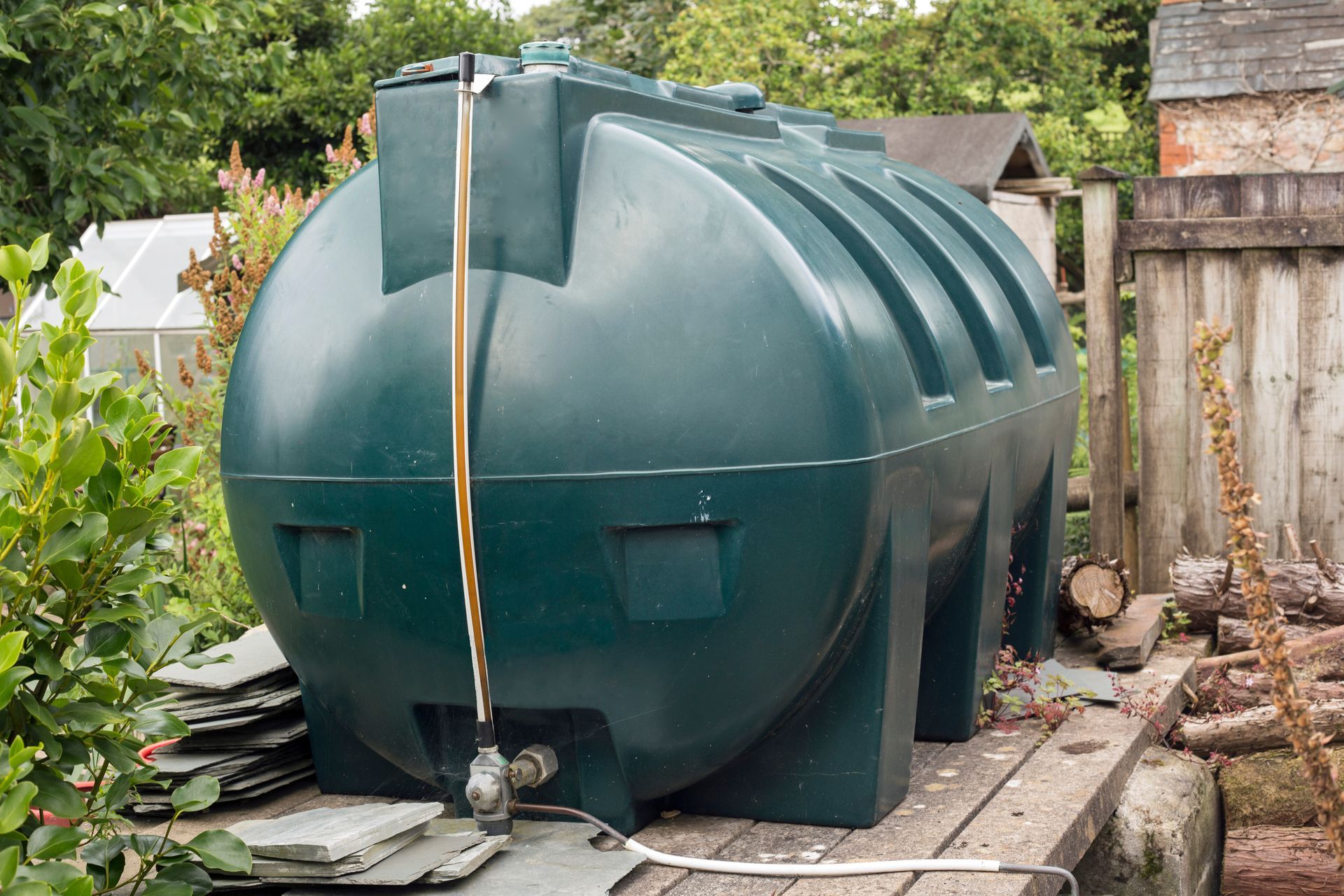
Oil tank issues are among the most common deal-killers in Westchester County real estate transactions. Whether you are listing a home or placing an offer in Bedford, NY, oil tank removal can directly affect mortgage approval, home insurance, and the appraisal. Understanding the rules up front can save significant time, money, and stress.
What Sellers in Bedford, NY, Must Disclose About an Oil Tank
Sellers in New York must address oil tanks honestly and in writing before a contract is signed. As of March 20, 2024, sellers must provide buyers with a completed Property Condition Disclosure Statement (PCDS) before signing a purchase contract. Sellers can no longer opt out by providing a $500 credit at closing.
The disclosure form asks whether the property contains fuel storage tanks or whether petroleum products have been spilled, leaked, or released on or from the property. A knowingly false or incomplete statement may subject the seller to buyer claims before or after the transfer of title.
Sellers should also check for open oil tank removal permits and review any existing surveys before listing, as unresolved permits can complicate or delay closing.
Do Buyers Need to Require Oil Tank Removal Before Closing?
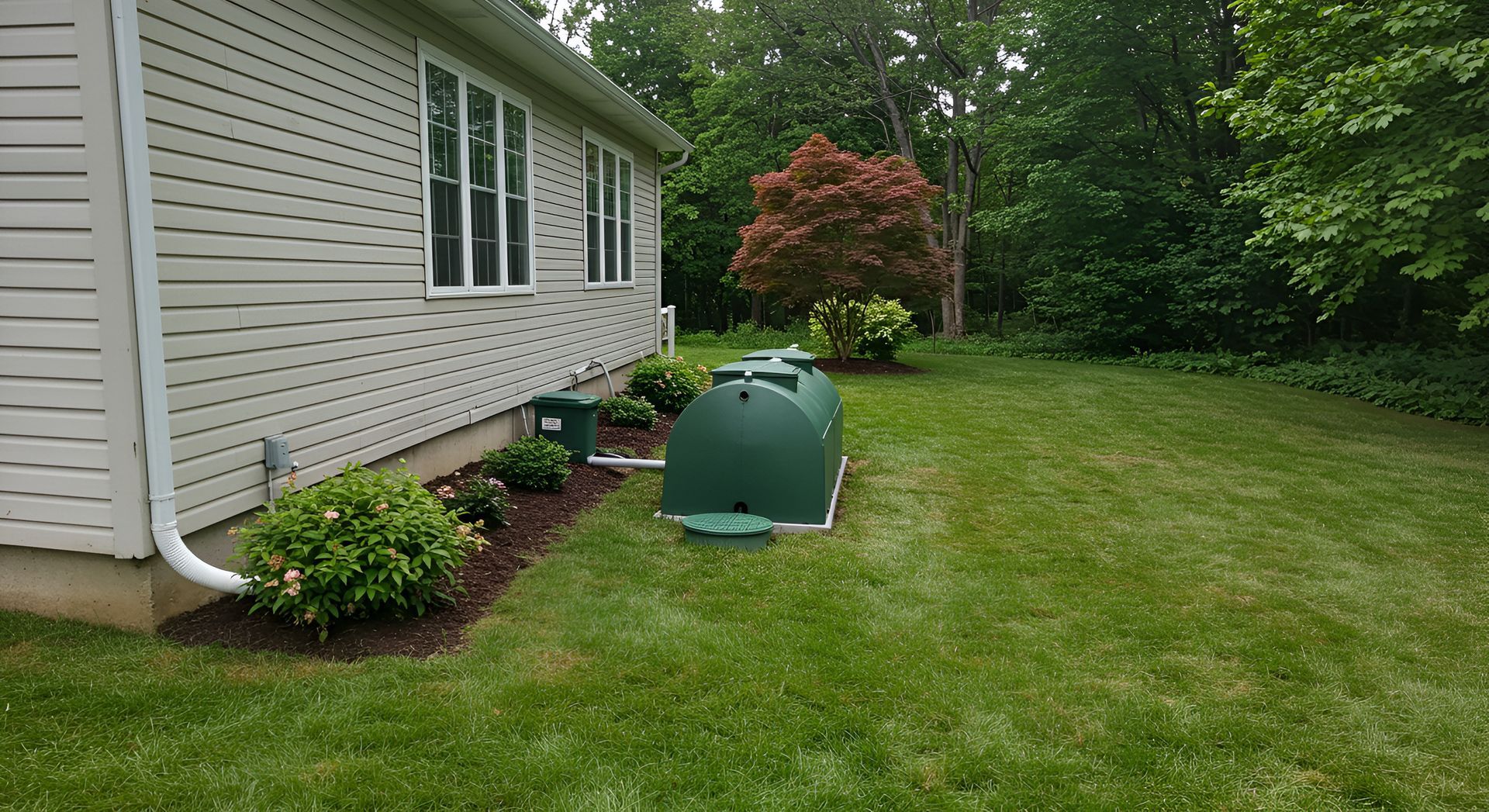
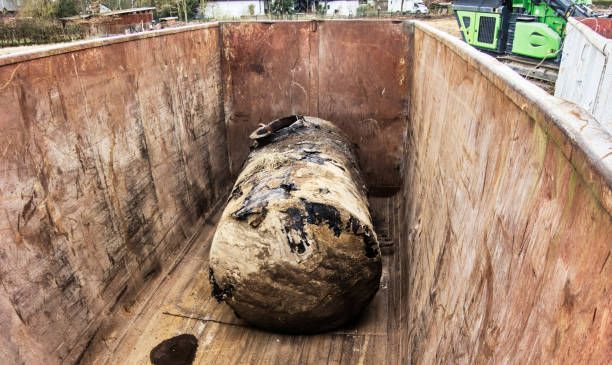
Many buyers include a contingency in their purchase contract requiring the seller to remove any underground oil tanks before closing. Mortgage lenders and insurers may refuse approval for properties with abandoned tanks until the tank is removed or confirmed leak-free.
Buyers may also request that any open permits be closed, along with documentation showing no evidence of leaks or spills. Bedford, NY, sits within Northern Westchester aquifer protection zones, and the Town of Bedford has specific fuel storage tank regulations that make proper documentation especially important near water-sensitive areas.
Soil Testing and Closure Letters
Soil testing often becomes a required step during the tank removal in Bedford, NY. Post-removal soil sampling is strongly recommended, and testing may be mandatory if signs of leakage are found. The NYSDEC requires reporting of any petroleum spill greater than 5 gallons.
Buyers should require the seller to provide a closure letter confirming the tank was properly removed or abandoned. Retaining the permit, contractor license, soil test results if applicable, and disposal manifest is essential for real estate disclosures and future compliance.
How Oil Tanks Affect the Appraisal and Timeline
An undisclosed or unresolved tank can affect property value and delay closing. Leaking or undocumented tanks can contaminate soil and groundwater, with remediation costs potentially exceeding tens of thousands of dollars. Appraisers who note an underground tank may flag it as a negative factor in their report.
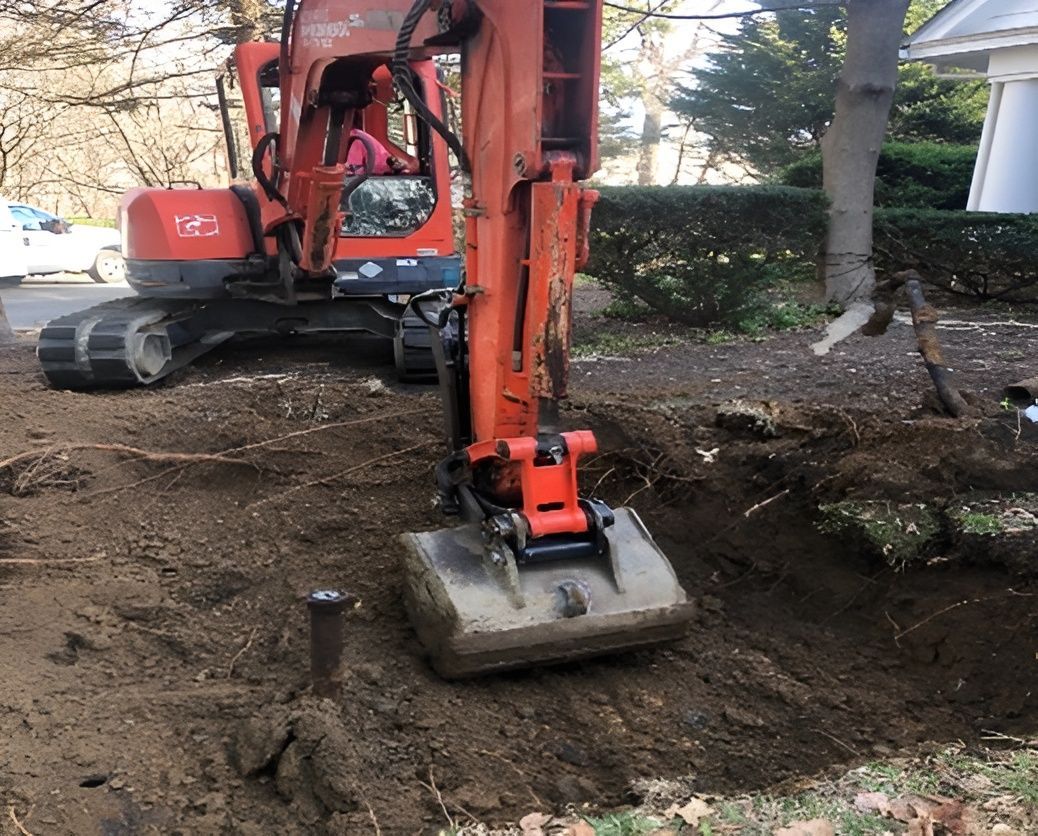
Most tank removals can be completed in one day, but permitting and soil test results add time. Sellers who address the tank early avoid last-minute delays that push back closing dates.
Does a Seller Have to Remove an Oil Tank to Sell in New York?
Removal is not always legally required, but buyers and lenders may make it a condition of the sale. An undisclosed tank, open permit, or evidence of a leak creates significant legal and financial exposure under the updated Property Condition Disclosure Act.
Get the Right Team Before Your Closing Date
Resolving an oil tank issue before it becomes a deal-breaker starts with calling an experienced local contractor.
Northeast Environmental has served Westchester County for over 28 years, handling permit applications, soil testing, and final documentation. Learn more about the full
oil tank removal process or
contact Northeast Environmental for a free estimate. Call
(914) 777-1930 to schedule your service today.