Heating Oil Tank Removal vs. Abandonment: What Bedford, NY, Homeowners Need to Know in 2026
Homeowners in Bedford, NY, decommissioning an old heating oil tank face a clear choice: abandon it in place or pursue full heating oil tank removal. The option you choose has lasting consequences for your property, your liability, and your ability to sell.
What Is the Difference Between Abandonment and Full Removal?
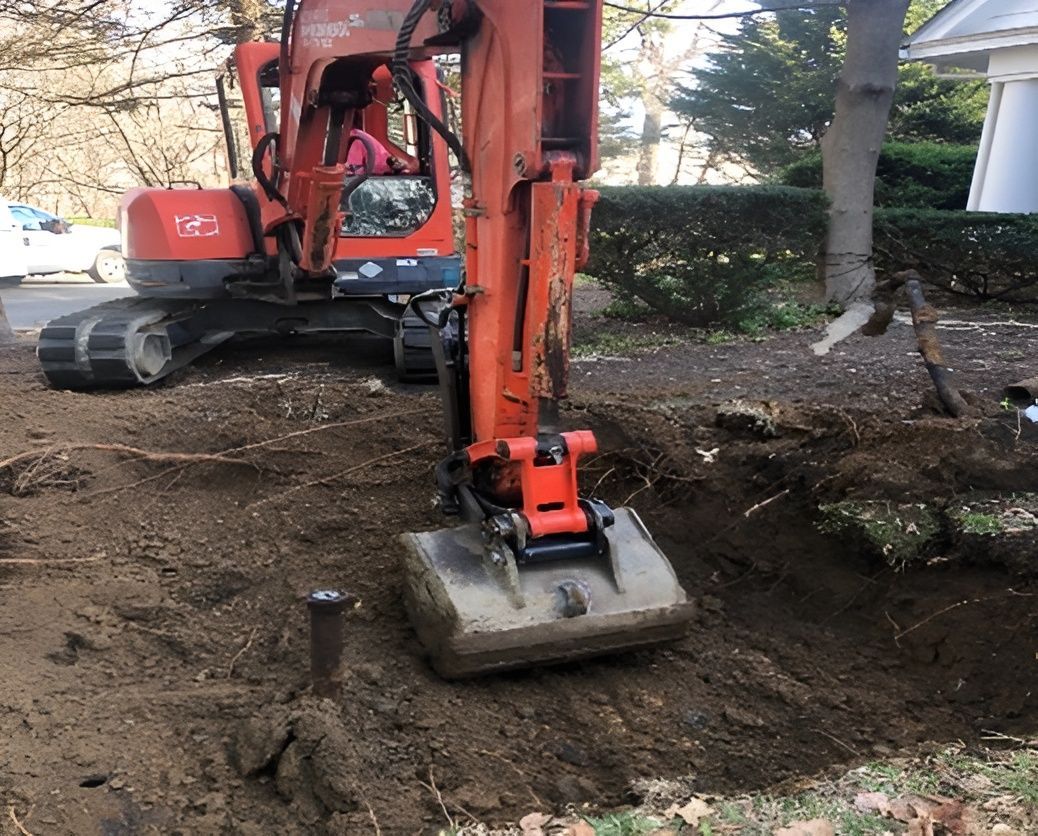
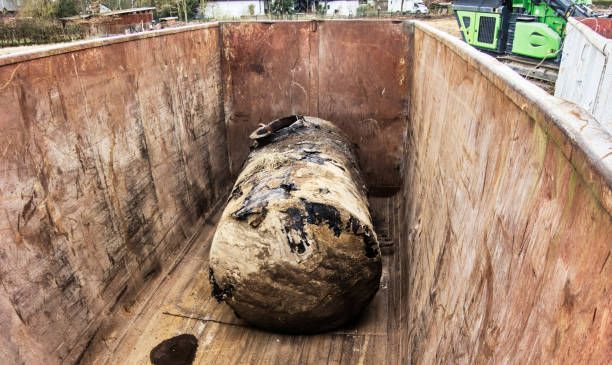
Heating oil tank removal physically extracts the tank from the ground. The process starts with a site inspection, safely pumping out remaining oil, removing the tank, and testing the soil. Abandonment leaves the steel shell underground, filled with an inert material such as concrete or sand.
Full removal is almost always the better path. It lets you check for soil contamination and eliminates future sinkholes that might occur if the tank collapses.
What Do NY Regulations Require for Each Option?
Both options carry firm regulatory obligations. State law requires that heating oil tanks be emptied, cleaned, and purged of all vapors. If removed, the vent and fill lines must also be removed or capped. If closed in place, vent lines must remain open and the fill line must be capped or removed.
A record of tank size, location, and closure date must be retained by the property owner. An inspection by the building official or an approved inspector is required for either option.
Westchester County adds another layer. Nassau, Suffolk, Westchester, and Cortland Counties administer their own Petroleum Bulk Storage programs under delegation from the NY DEC, and some county regulations apply to smaller tanks. Homeowners in Westchester should contact the county Department of Health to confirm whether their tank is regulated. A permit is typically required for heating oil tank removal in Bedford, NY.
Removal may also become legally required when contamination is discovered. If contaminated soil is detected or breaches in the tank are observed during inspection, the tank must be removed and the site remediated.
Abandonment, Liability, and What It Means When You Sell
Abandonment carries real long-term risk. It is an outdated practice generally used only when a tank physically cannot be removed, and it is disfavored by many municipalities and home buyers alike.
Property owners can be found liable for contamination from a leaking tank, even one abandoned years earlier. Without documented sampling at the time of closure, a purchaser could be strictly liable under the state Navigation Law if the tank has impacted the environment.
Insurance and mortgage access can also be affected. More and more insurers are unwilling to issue homeowners' policies for properties with an underground oil tank, and lenders may require proof of removal before approving a mortgage.
Does an Abandoned Tank Create Contamination Liability?
Yes. Even a permitted abandonment may have involved undetected leaks. Without documented soil testing, current or future owners could face cleanup costs under New York's Navigation Law. Heating oil tank removal with soil testing provides a clean documented record.
Ready to Protect Your Bedford, NY, Property?
Northeast Environmental has served Westchester County homeowners for over 28 years. Their team handles permits, soil testing, and final documentation. Call
(914) 777-1930 or
contact Northeast Environmental online to schedule your assessment, or visit their
oil tank removal service page to learn more.