Town of Bedford NY Oil Tank Permit Requirements: What Homeowners Need to Know in 2026
If you own a home in Bedford, NY, and need oil tank removal, understanding the local permit process is one of the most important steps you can take before any work begins. Contact us today at (914) 777-1930 to get guidance specific to your property. Skipping the permit process can lead to fines, delays, and complications if you ever sell your home. This guide covers everything Bedford homeowners need to know for 2026.
Why a Permit Is Required for Oil Tank Removal in Bedford, NY
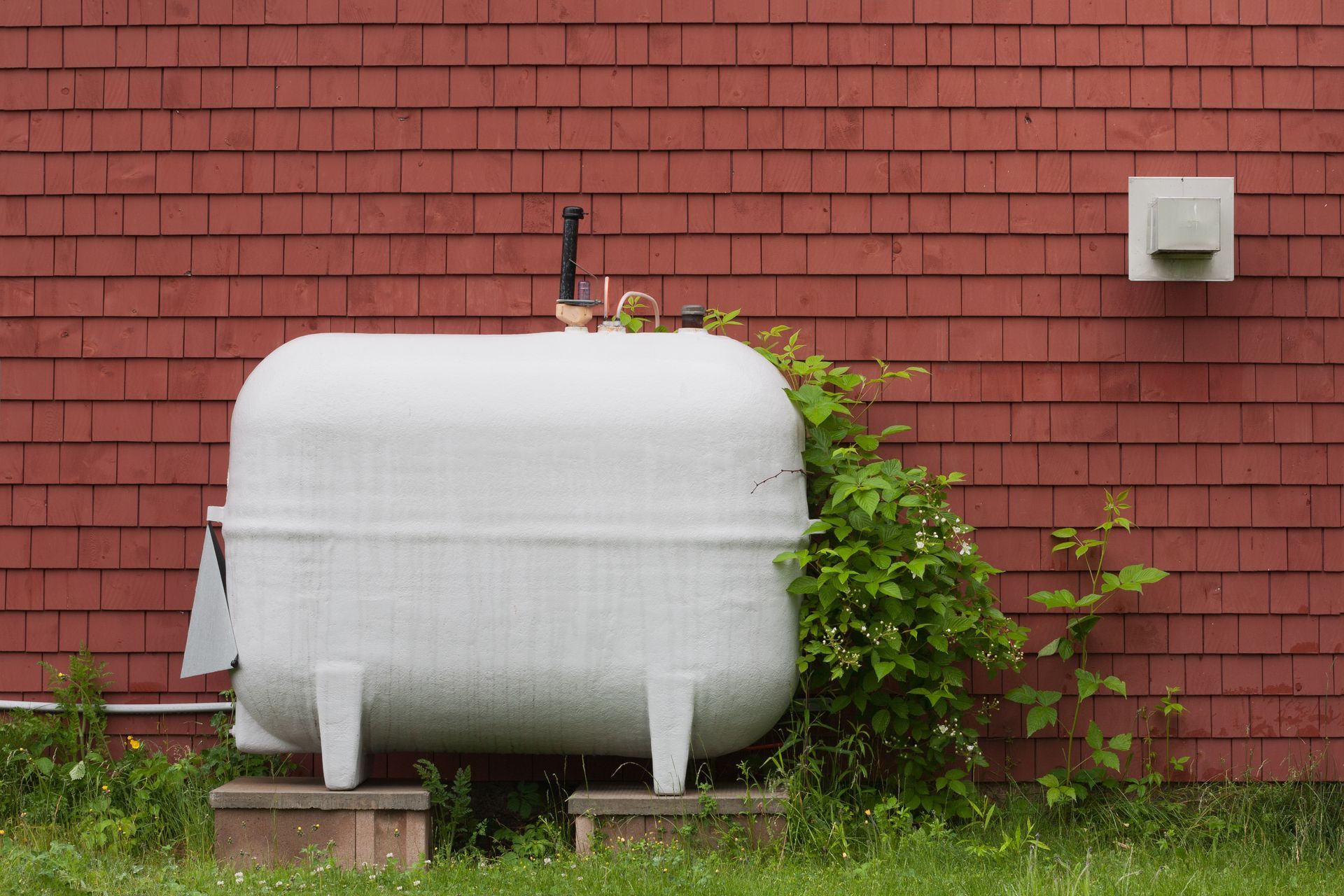
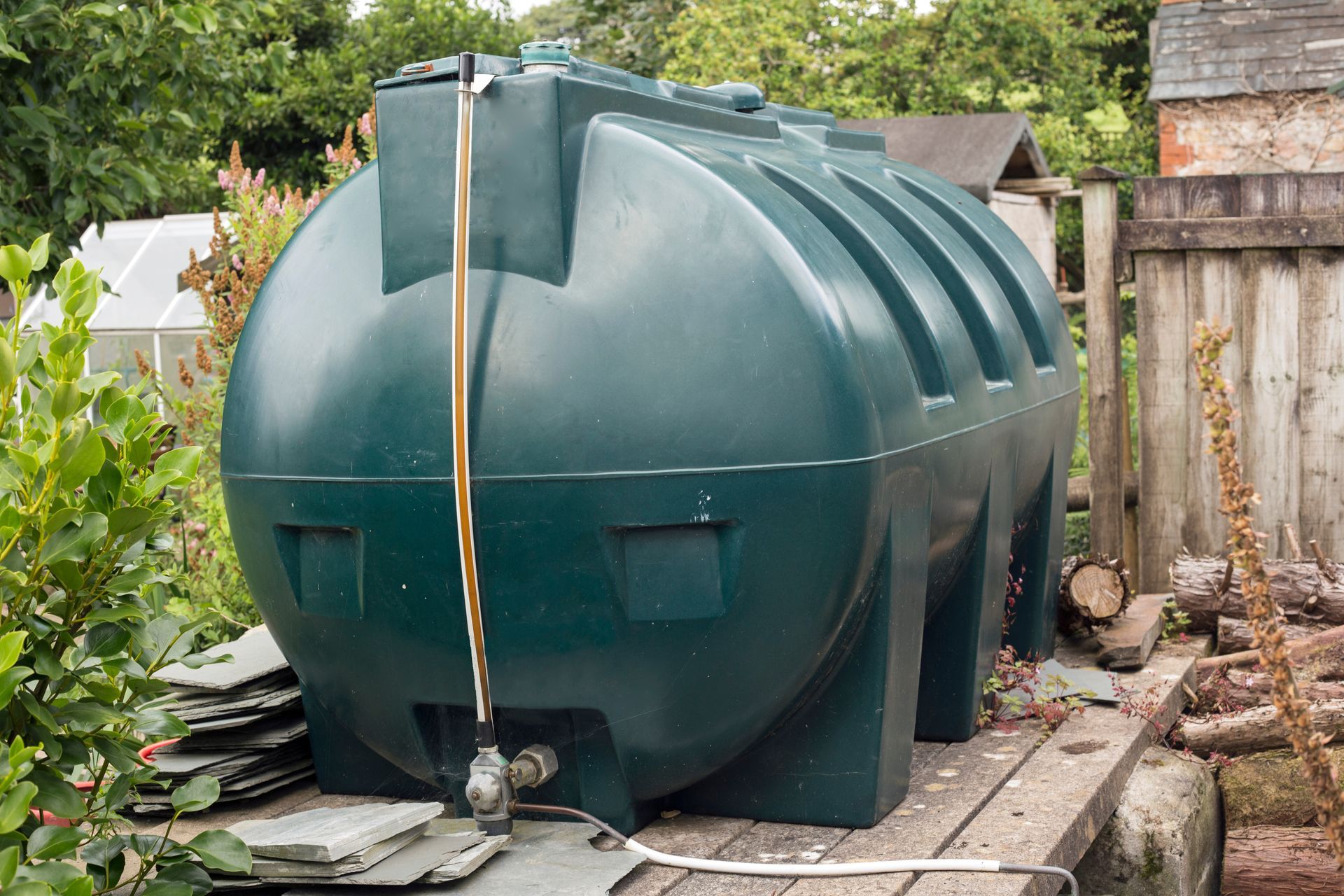
A permit is required by the Town of Bedford for all oil tank removal and installation work. The local Building Department lists oil tanks — both installation and removal — among the projects that require a permit before work begins. This applies to both above-ground and underground tanks on residential properties.
Work must conform to all provisions of the NYS Uniform Fire Prevention and Building Code and referenced standards, as well as all Westchester County Health Department requirements. These are not optional guidelines. They are enforceable rules that protect your property, your neighbors, and the local water supply.
If you are caught doing the work without a permit, the Town Board has adopted a legalization fee of $1,000 plus the original permit fees. That penalty applies to oil tank work just as it does to any other construction project. Getting the permit upfront is the far simpler path.
How to Apply for a Bedford Oil Tank Permit
The permit application process is straightforward when you know what to expect. The Town of Bedford Building Department makes an Oil Tank Removal/Installation Application available through its permit applications page, and a single form covers both removal and installation. Expect the form to ask for the property owner's information, the tank's size and location, and details on the licensed contractor performing the work.
The Town of Bedford now takes building permit applications online, which is the preferred method. You can get started through the building permit portal at City Squared. You can also submit in person at the Building Department. Once your application is submitted, you will need to schedule an inspection. The permit application itself notes that you must call the Building Department to schedule an inspection of all tank removals and installations.
What Documentation Do You Need?
Before submitting your application, gather the following items:
- Property address and owner information.
- Description of the tank, including size, type, and whether it is above-ground or underground.
- Name and license information of the contractor performing the work.
- Confirmation that the work will follow NYS Uniform Fire Prevention and Building Code standards.
Having everything organized before you apply can help avoid delays in approval.
Above-Ground vs. Underground Tank: Does It Matter for Permits?
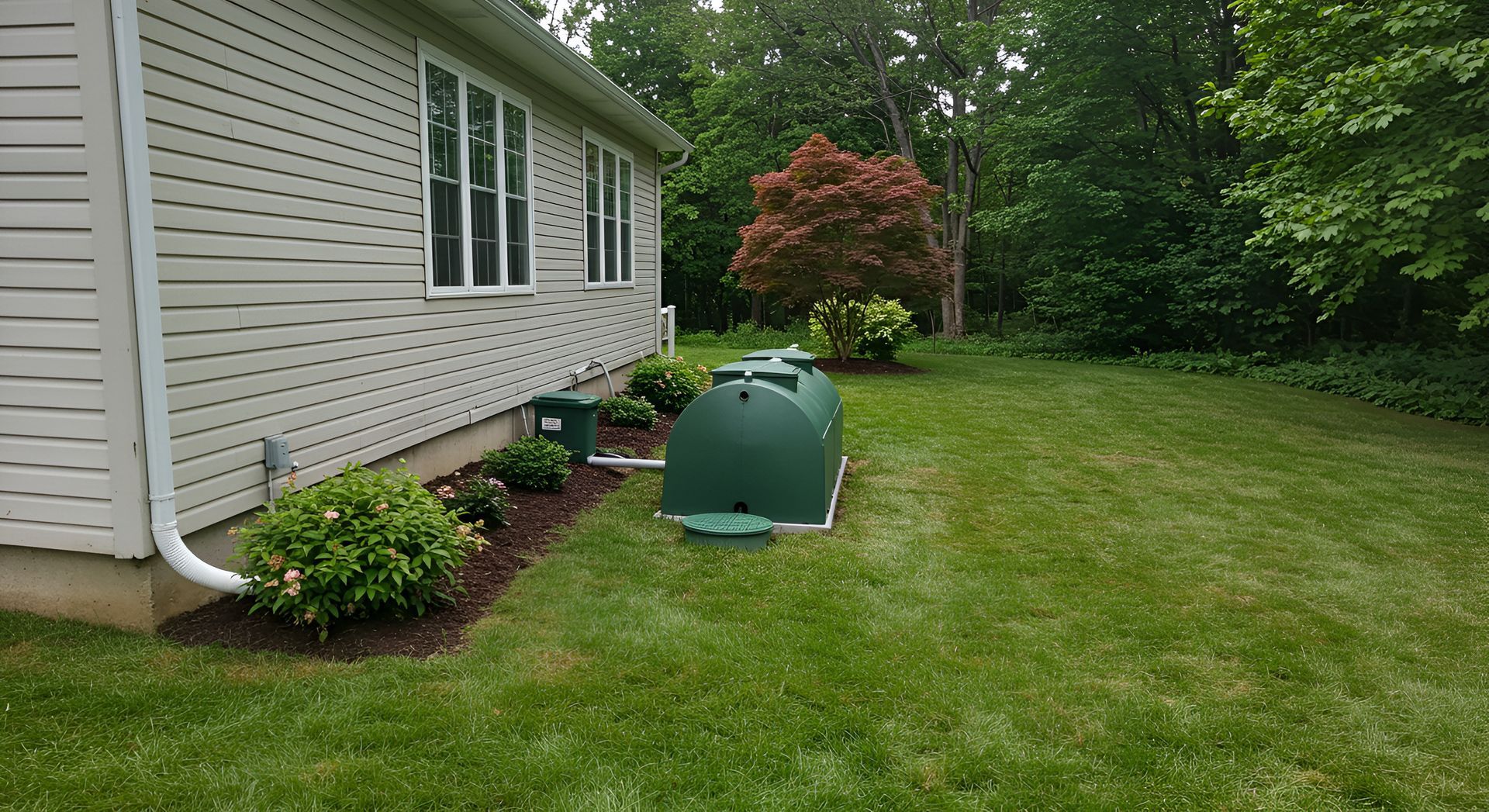
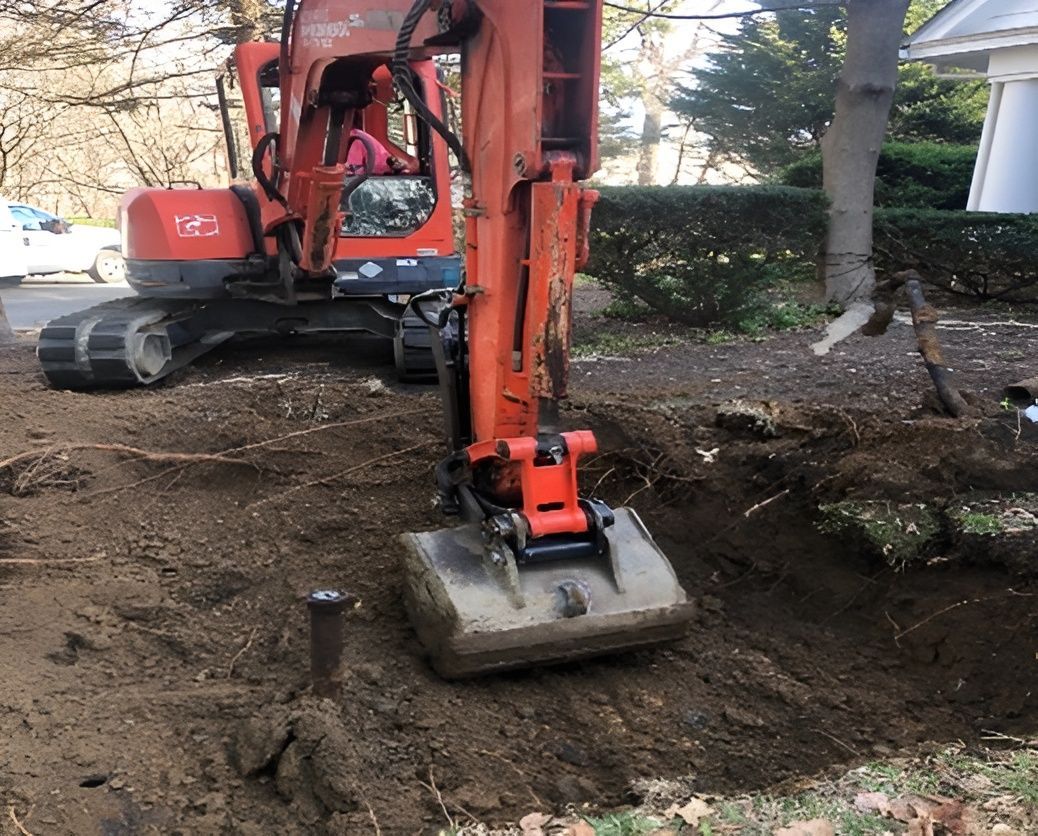
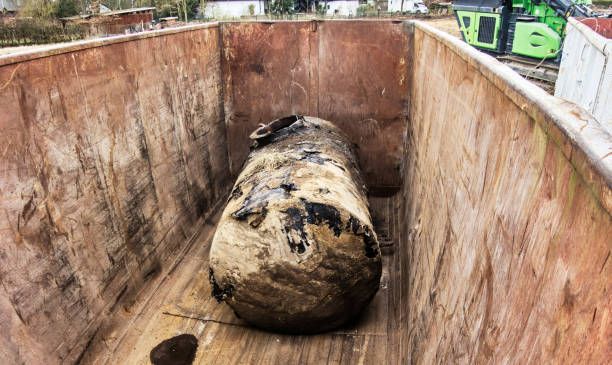
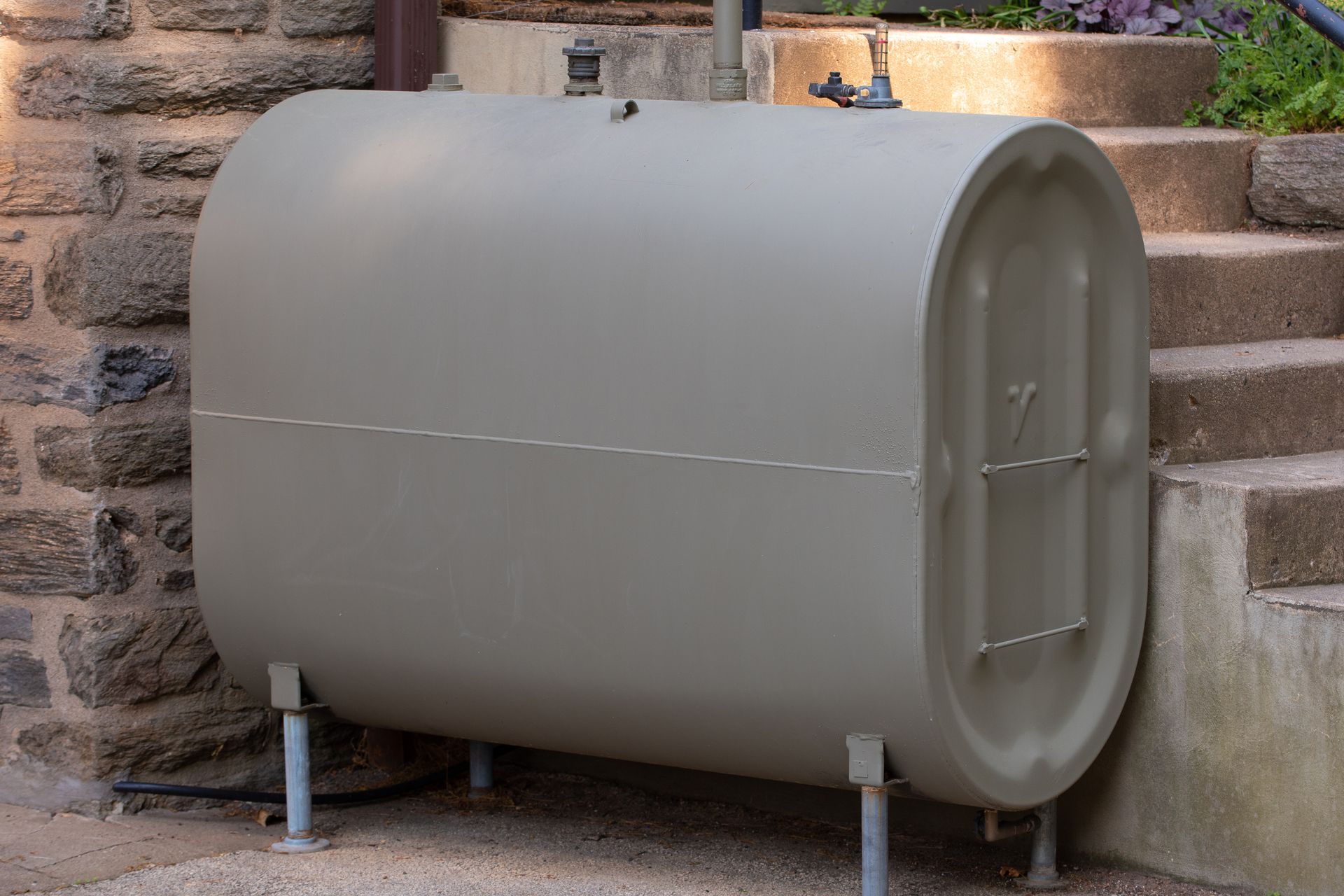
Both tank types require a permit locally, but underground tanks come with additional regulatory layers. Above-ground tanks are typically simpler to access and remove. Underground tanks involve excavation, soil testing, and a more involved inspection process.
Underground tank removal requires more extensive soil testing than above-ground work, and New York regulations require proper handling and disposal to comply with NYSDEC guidelines.
Westchester County administers its own Petroleum Bulk Storage (PBS) program under delegation from the NYS DEC, and county requirements may be more stringent than state minimums. This means that homeowners in Bedford are subject to both town-level building permits and, in some cases, county-level environmental compliance requirements.
For underground tanks that fall under state PBS regulation, additional steps apply. You may be required to notify the appropriate DEC regional office at least 30 days before your intended tank closure date by submitting a Petroleum Bulk Storage Notification for Tank Installation, Closing, Repair, or Reconditioning.
What Happens if Contamination Is Discovered?
Contamination is one of the most serious issues that can arise during an oil tank removal. Soil contamination must be addressed before a project can be closed out.
When a tank is found to be leaking, additional work is usually needed to determine the extent of the problem and the amount of cleanup required. Contamination must be reported to the DEC Spills Hotline by calling 1-800-457-7362.
When necessary, you must include a site assessment confirming that there is no contamination from the tank, or that it has been remediated and approved by the DEC. This soil assessment becomes part of your permanent property record and may be requested during a future home sale or refinance.
Bedford's location in northern Westchester County, with its aquifer protection zones and wooded residential lots, means that contamination can spread quickly in the soil. Getting soil testing done promptly is always in a homeowner's best interest.
How Long Does the Process Take?
The timeline from application to job completion can vary. Permit approval typically takes a few business days to a few weeks, depending on the volume of applications at the Building Department. Once the permit is in hand, most physical oil tank removal jobs can be completed in a single day, followed by a required inspection before the permit is closed out.
If contamination is discovered, the timeline extends significantly. Soil remediation, additional testing, and DEC reporting can add weeks or months to the overall process. Planning ahead and working with an experienced contractor can help keep things on track.
Get It Done Right the First Time
Serving Bedford, NY, and the surrounding Westchester County communities, we handle the entire oil tank removal process from start to finish. We manage permit filings, coordinate inspections, and handle all compliance documentation so you do not have to navigate the process alone.
Ready to move forward? We encourage you to check our Google Business Profile to read reviews from homeowners across Westchester who have trusted us with their oil tank projects.
You can
contact our team to schedule your consultation or request a free quote. Call Northeast Environmental today at
(914) 777-1930 and let us take the permit process off your plate.